
How Do Retaining Walls Prevent Erosion in North Texas Soil?
North Texas homeowners know that the region’s soil can be unpredictable. From heavy spring rains to long periods of drought, the shifting ground across communities in North Dallas creates serious erosion concerns for residential and commercial properties. Sloped yards, drainage problems, and expanding clay soil can slowly damage landscaping, foundations, patios, and outdoor living spaces if left untreated.
At Precision Pavers, we help property owners protect and improve their outdoor spaces with professionally designed retaining walls built for North Texas conditions. Our team understands the challenges caused by expansive clay soils, sudden downpours, and uneven terrain common throughout the Dallas-Fort Worth area. We focus on long-lasting craftsmanship, smart drainage solutions, and personalized service that gives homeowners confidence in their investment. Whether you want to stabilize a hillside, prevent runoff near your home, or create a more functional yard, retaining walls offer both structural protection and visual appeal. Understanding how these systems work can help you make informed decisions about protecting your property from costly erosion damage.
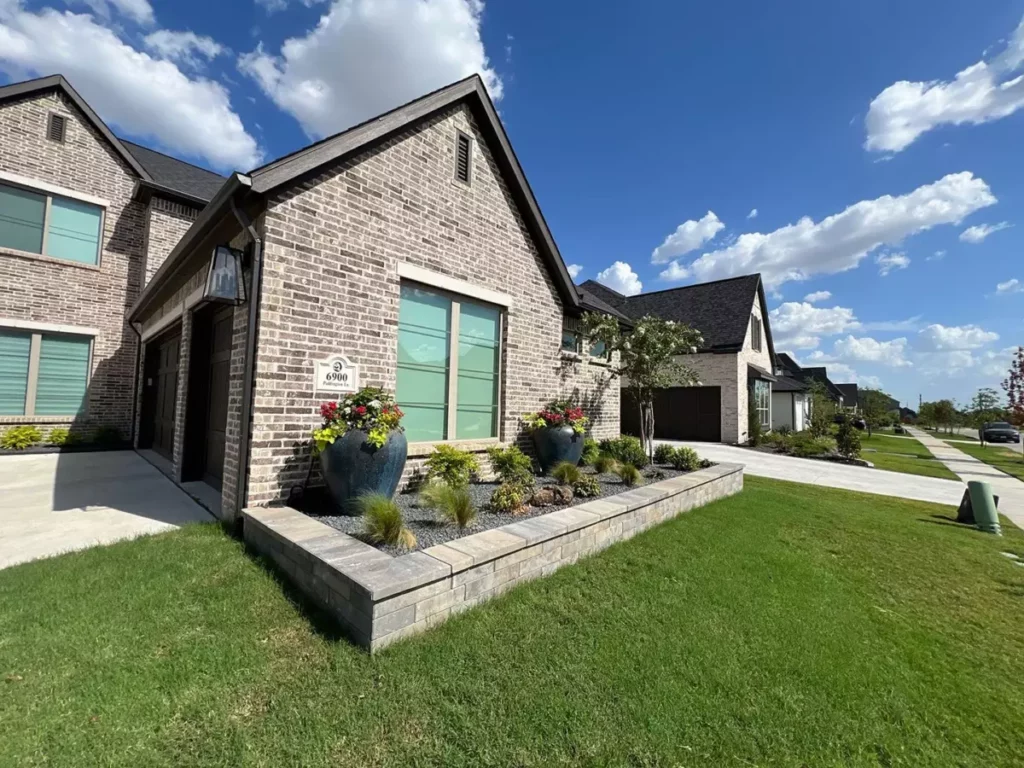
Retaining Wall Solutions for North Texas Drainage and Soil Stability
Retaining walls do much more than improve curb appeal. They act as engineered barriers that hold soil in place, manage water flow, and reduce the destructive effects of erosion. In North Texas, where clay-heavy soil expands during wet weather and contracts during dry conditions, retaining walls are often essential for preserving landscape integrity.
Without proper erosion control, rainwater can wash away topsoil, weaken slopes, expose tree roots, and create unsafe conditions around walkways and foundations. Areas near Lake Lewisville and other flood-prone zones are especially vulnerable after strong storms.
Why North Texas Soil Creates Erosion Problems
North Texas soil is known for its high clay content. Clay absorbs water quickly, then expands and shifts. During drought conditions, it contracts and creates cracks in the ground. This constant movement puts pressure on landscapes and structures.
Several factors increase erosion risks across the region:
Heavy Rainfall and Flash Flooding
Texas storms often produce intense rainfall in a short amount of time. Water rushing downhill can carry away soil and damage landscaping quickly.
Sloped Properties
Homes built on uneven terrain are more likely to experience runoff issues. Gravity naturally pulls water and loose soil downhill.
Poor Drainage Systems
Without proper grading or drainage channels, water pools around foundations or washes through landscape beds.
Sparse Vegetation
Bare soil erodes faster because there are no plant roots helping stabilize the ground.
A professionally installed retaining wall helps address all these challenges at once by reinforcing the landscape and controlling how water moves through the property.
How Retaining Walls Stop Soil Erosion
Retaining walls create a physical barrier that prevents soil from shifting downhill. They also redirect water flow and reduce pressure caused by saturated ground conditions.
Here are some of the primary ways retaining walls protect North Texas properties:
Soil Stabilization
The main purpose of a retaining wall is to hold back soil. This is especially important for homes with sloped yards or elevated landscape features. By securing the soil in place, the wall prevents gradual movement and collapse.
Water Drainage Control
Modern retaining walls include built-in drainage solutions such as gravel backfill, perforated pipes, and weep holes. These systems allow water to escape safely instead of building pressure behind the wall.
Proper drainage is critical because trapped water can weaken structures over time. In North Texas, where sudden storms are common, drainage design matters just as much as the wall itself.
Reduced Runoff Damage
Retaining walls slow down the speed of water traveling across your property. Slower-moving water causes less erosion and helps preserve landscaping features like flower beds, patios, and walkways.
Protection for Foundations and Hardscapes
Uncontrolled erosion can eventually affect your home’s foundation or damage nearby hardscaping. Stabilizing the surrounding soil reduces the likelihood of shifting ground near important structures.
Choosing the Right Retaining Wall for Your Property
Not all retaining walls are built the same. The best design depends on your property’s slope, drainage conditions, soil type, and aesthetic goals.
At Precision Pavers, we help homeowners choose solutions that combine durability with visual appeal.
Concrete Block Retaining Walls
Concrete block systems are popular because they are strong, versatile, and available in many styles and colors. These walls work well for both modern and traditional homes.
Natural Stone Retaining Walls
Natural stone creates a timeless appearance that blends beautifully with outdoor landscapes. It is an excellent option for homeowners seeking a more organic look.
Tiered Retaining Walls
For steep properties, tiered walls divide slopes into multiple levels. This approach improves stability while creating usable outdoor spaces for gardens, patios, or seating areas.
Decorative and Functional Integration
Many North Texas homeowners combine retaining walls with outdoor living upgrades such as paver patios, fire pits, and landscape lighting. This creates a cohesive design while improving property functionality.
Signs You May Need a Retaining Wall
Many homeowners do not realize erosion is becoming a serious issue until visible damage appears. Early intervention can help prevent expensive repairs later.
Common warning signs include:
- Soil washing away after rainstorms
- Exposed roots or uneven landscaping
- Water pooling near your home
- Cracks in walkways or patios
- Leaning fences
- Sloped areas becoming difficult to maintain
- Muddy runoff affecting neighboring properties
If you notice any of these issues, a professional site evaluation can determine whether a retaining wall or drainage improvement is necessary.
Why Professional Installation Matters
Retaining walls are structural systems, not just landscaping features. Improper installation can lead to leaning walls, drainage failures, or complete collapse over time.
Professional installation ensures:
Proper Engineering
Every retaining wall must account for soil pressure, drainage, slope angle, and local environmental conditions.
Long-Term Durability
Using the correct materials and installation methods helps walls withstand North Texas weather extremes for years to come.
Improved Property Value
Well-designed retaining walls improve curb appeal and create more usable outdoor space, which can increase overall property value.
Compliance with Local Requirements
Some retaining wall projects may require permits or adherence to municipal guidelines, particularly in rapidly growing communities throughout the Dallas-Fort Worth metroplex.
At Precision Pavers, we prioritize quality workmanship and customized solutions that fit each property’s unique needs. Our experience with North Texas landscapes allows us to recommend systems built specifically for local soil and drainage conditions.
Protect Your Landscape with a Custom Retaining Wall
Erosion problems rarely improve on their own. Over time, shifting soil and uncontrolled drainage can lead to costly repairs and safety concerns. A professionally designed retaining wall offers long-term protection while enhancing the beauty and functionality of your outdoor space.
Whether your property overlooks a sloped greenbelt in Flower Mound, sits near creek drainage areas in Denton County, or experiences runoff issues after Texas storms, Precision Pavers can help you create a stronger, more stable landscape.
Ready to protect your property from erosion and drainage damage? Contact Precision Pavers today to schedule a consultation and learn more about custom retaining wall solutions for your North Texas home.