
Wood vs. Gas Fire Features: Which Is Best for Your Patio?
Making the Right Choice for Your North Texas Outdoor Living Space
A fire feature can transform your patio into an inviting gathering place where family and friends create lasting memories. But choosing between wood-burning and gas fire features isn’t always straightforward, especially when considering Dallas-Fort Worth’s unique climate and lifestyle. At Precision Pavers, we’ve spent over 40 years helping North Texas homeowners design outdoor spaces that blend beauty with functionality. We work with both wood and gas fire features regularly, understanding the specific advantages each brings to a patio project. The choice ultimately depends on your lifestyle, maintenance preferences, and what creates the perfect ambiance for your home. Whether you envision cozy winter gatherings or year-round entertaining, we’ll help you understand the key differences so you can make an informed decision. Our design experts can even integrate your fire feature seamlessly into a complete outdoor living design that maximizes your entire patio space. Let’s explore what makes each option unique.
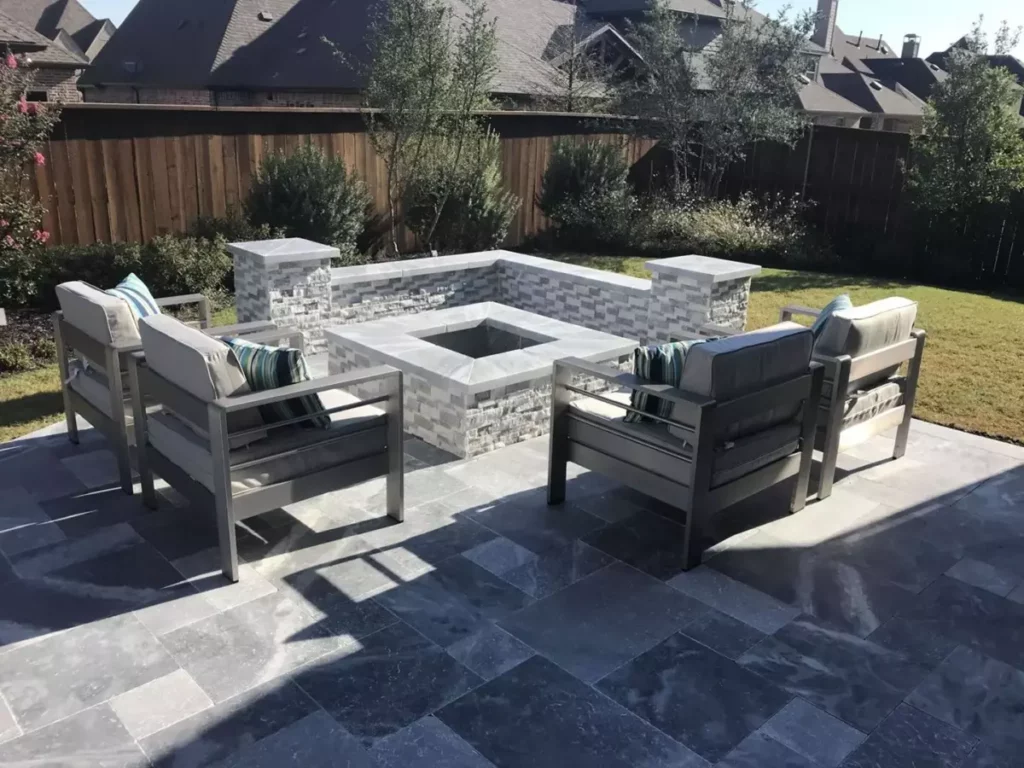
Convenience and Ease of Use: Gas Takes the Lead
Gas fire features offer unmatched convenience. With a simple push of a button or turn of a knob, flames appear instantly. There’s no building and tending to fire, no smoke management, and no cleanup of ash and soot. For busy North Texas families who want to enjoy their patio without extra effort, gas is the clear winner. Gas fire pits and fireplaces provide adjustable temperature control, allowing you to increase heat on chilly winter evenings or dial it down for pleasant spring nights. Once installation is complete, all you do is light it and relax. Wood-burning features, by contrast, require skill and effort. You’ll need to build the fire, add logs as needed, monitor the flames, and clean out ashes afterward. For those who enjoy the ritual of fire-building and don’t mind the maintenance, this hands-on approach has its own appeal.
Ambiance and Traditional Appeal: Wood’s Authentic Charm
Nothing quite matches the experience of a traditional wood-burning fire. The crackling sound, the dancing flames, the distinctive aroma—these sensory elements create an authentic campfire atmosphere that gas simply cannot replicate. Many homeowners cherish this rustic experience, especially those who grew up with wood fires. The warmth feels more authentic, and the ambiance is genuinely special. Gas fire features have improved dramatically in recent years, with modern designs offering beautiful flame presentations and realistic log appearances. However, most agree that wood’s natural crackling and aroma offer something irreplaceable. If creating that classic, nostalgic feeling is your priority, wood is the better choice.
Maintenance and Cleanliness: Gas Fire Features Win Again
Gas fire features require virtually no maintenance beyond occasional professional inspection. No ash to sweep, no soot to wipe away, no smoke smell lingering on clothes and furniture. Your patio stays clean, and cleanup takes seconds. Gas burns cleanly with minimal emissions, making it better for those with allergies or respiratory sensitivities—an important consideration for North Texas families. Wood-burning features demand significant maintenance. You’ll manage firewood storage (which must stay dry and away from the house to avoid termites), shovel out accumulated ash and soot, and deal with creosote buildup. This ongoing effort is manageable for some homeowners but impractical for others.
Cost Considerations: Initial and Ongoing Expenses
Wood-burning fire pits typically have lower upfront costs, ranging from $500 to $1,300 for installation. However, ongoing firewood expenses add up, especially if you lack a personal wood supply. Gas fire features cost more initially—between $900 to $3,800 depending on complexity and whether natural gas lines need installation. Natural gas connections carry higher installation costs (you’ll need a professional to run gas lines), but offer the lowest operating costs long-term, as most homes already have natural gas service. Propane requires tank refills, adding occasional expenses. For frequent users in North Texas, the long-term cost difference often favors gas.
DFW Climate Considerations
Dallas-Fort Worth’s climate presents unique considerations. Our occasional winter freezes can affect wood storage and fire safety, while summer heat and occasional dry conditions increase fire risk for wood-burning features. North Texas homeowners should also consider air quality. While both options are acceptable locally, some neighborhoods and HOAs have restrictions on wood-burning fires due to smoke concerns. Gas features comply more easily with local regulations and neighbor considerations. Additionally, DFW’s position on flat terrain means wind patterns can direct smoke toward your home or neighbors’ properties, potentially creating friction and air quality issues.
The Best Choice for Your Home
The ideal fire feature depends on your priorities. Choose gas if you value convenience, minimal maintenance, consistent heat, cleanliness, and compliance with local regulations. Choose wood if you prioritize that authentic campfire experience, don’t mind regular maintenance, and have adequate space away from structures to burn safely. At Precision Pavers, we can design both into stunning patios that enhance your entire outdoor living space. Whether you want a sleek gas fireplace as your patio’s focal point or a traditional wood-burning feature surrounded by elegant pavers and landscaping, we’ll create a design that matches your lifestyle and vision.
Ready to add a fire feature to your North Texas patio? Contact Precision Pavers for a free design consultation. Our experts will help you choose the perfect fire feature and integrate it into a beautiful outdoor living space. Call us or visit our website to schedule your appointment today.